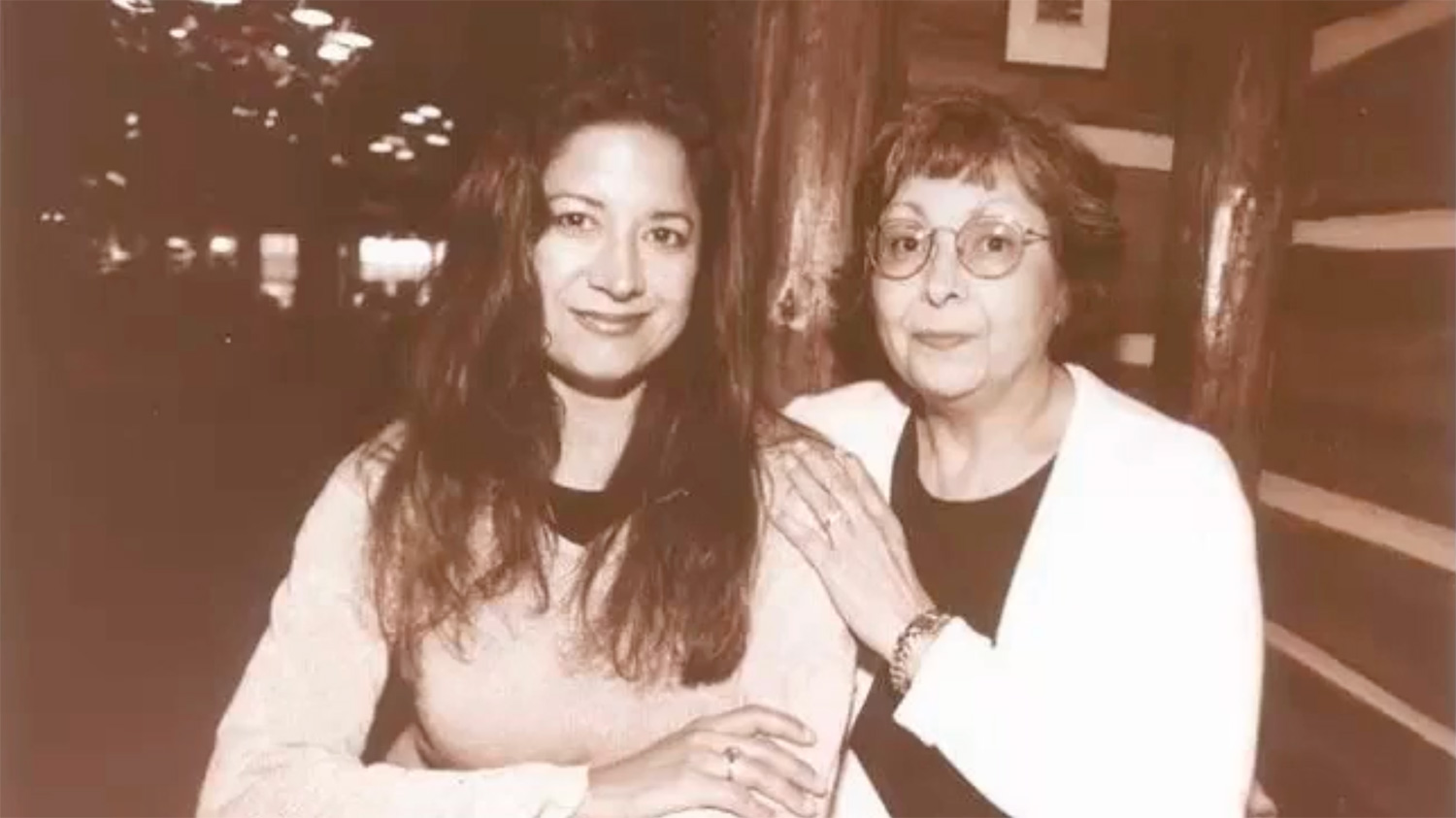
Told by her daughter, Lori Taguma
My mom—she did a lot for our Tribe, and she grew up on the reservation in a house that was built by her father and mother. My mom, Sylvia Bracklin, and her older sister, Betty, have been collecting the history of our Tribe for all their lives. . .In 2017, my mom had a huge trunk of family photos and the history, and I said, “Well, why don’t we start to put together a little booklet?” And she just started writing about the ’60s, and the ’70s, and the ’80s, and her experiences here with the Tribe. I edited it for her, and we stuck some photographs in, and then we uploaded it to Amazon Create Space, and there it is. . .and I hope that I can tell this story well.
In 1745, on the back of her book, it says, “The first Ojibwe Bear Clan members planted their lodge poles at LCO, and that first encampment was located on Lac Courte Oreilles Lake. Some say it was also on Little Lac Courte Oreilles Lake; there is some discrepancy, but it’s in the same general area. Whitefish is adjacent to that encampment, and that is where she was born and raised, and that is where the Bracklins were born and raised, as well as Nanongabe. He was born and raised in that encampment, which was either in Reserve or right up against Whitefish. Nanongabe was our last War Chief. He was considered a great orator. He signed two Treaties—I think it was 1853 and 1854. The 1854 Treaty was signed at La Pointe, and it created the reservations in Northern Wisconsin. They say he was the greatest Chief of LCO.
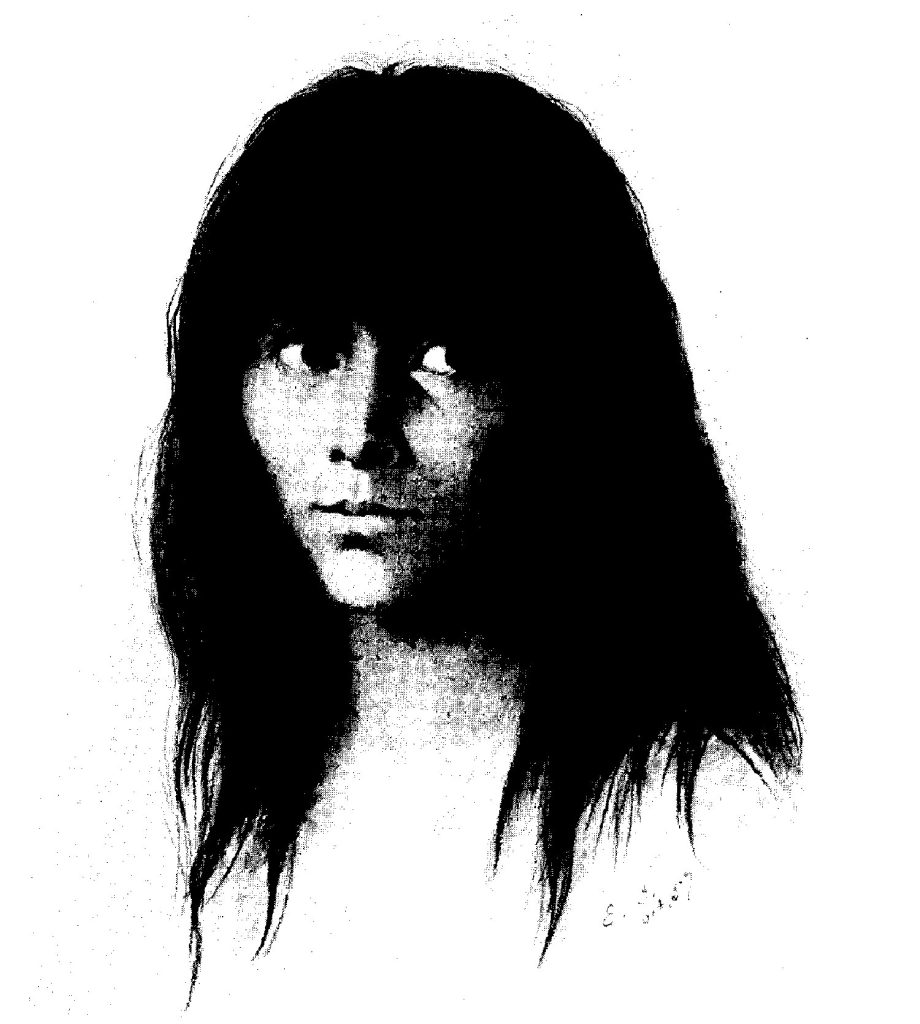
His eldest daughter, Aazhaweyaae, was born and raised at LCO. She had three different names: Aazhaweyaae, Omodains, or Montanise. . .There’s several different spellings because it wasn’t a written language in the mid-1800s. . .Aazhaweyaae was a beautiful, courageous warrior; she actually went to battle with her father and the warriors from the LCO Tribe. She avenged his death when he was ambushed and killed by the Sioux, so she was a very courageous, fierce warrior herself. She was also very beautiful, and she had many suitors.
Aazhaweyaae ended up marrying three times. The first time was to a Frenchman. . .and she had one child, Julia. Her second husband was James Bracklin; they were married from 1862-1869. He was the Mayor of Rice Lake and a lumber company manager for Stout Knapp Lumber Company. . .She was the first lady of Rice Lake for, I think, about 8 years, and during that time they had four children: Nellie Bracklin (Piper-Demarr), (Nenangebi) Thomas Bracklin, James Bracklin (died early), and Annie Bracklin Ford. Aazhaweyaae later married Sam Barker, who was on the Barron County Board; they had two children. Their son died at an early age, and their daughter’s name was Mary Barker Robinson.
James Bracklin named one of the lakes in Rice Lake after Aazhaweyaae, calling it Lake Montanise. His mausoleum overlooks the lake, but Aazhaweyaae returned to live at her father’s home at LCO on Whitefish Lake, and is buried in Whitefish.
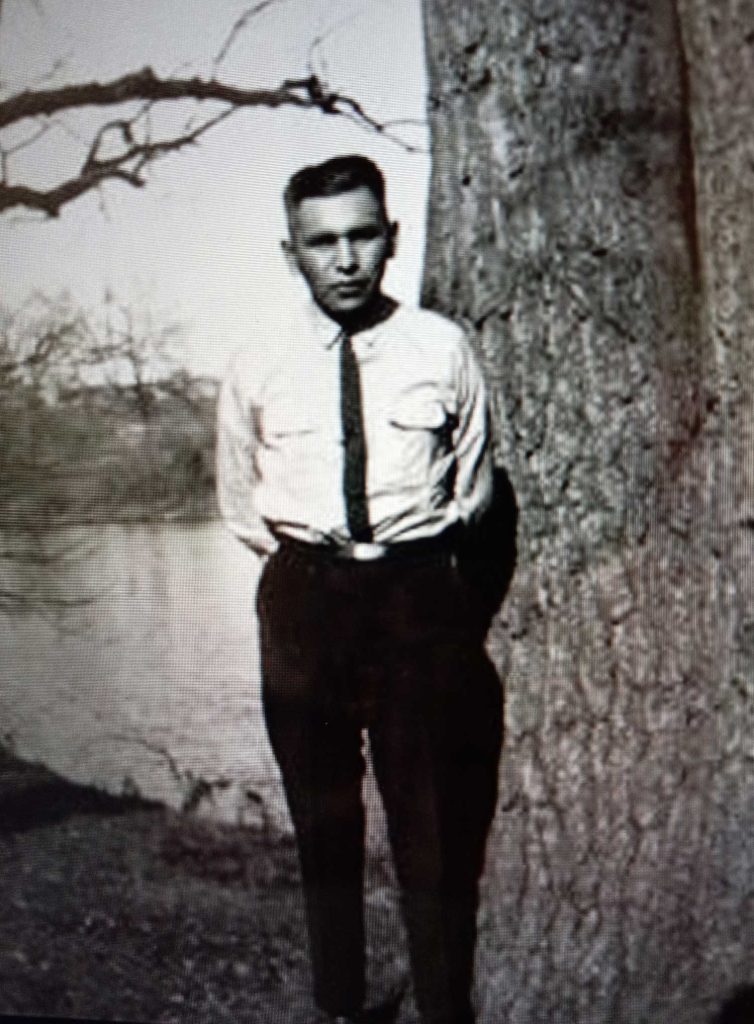
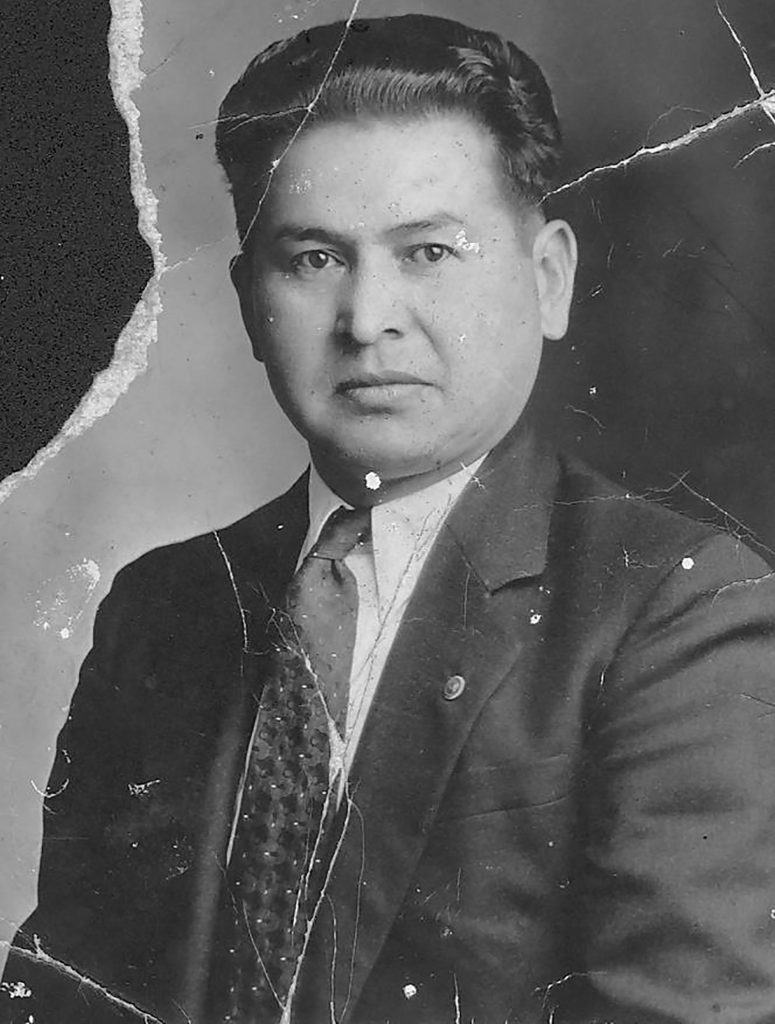
Aazhawayaae is my mother Sylvia Bracklin’s great-grandmother, and Chief Nennangebi is her great-great grandfather. Thomas Bracklin is Aazhawayaae’s son and Mom’s grandfather. Thomas’s children include Edward, Charles (died early), Thomas Jr., James III, John, and Nellie I.
The boys joined the military when they turned 18. Mom’s Uncle James Bracklin III, a BIA officer, married a Potawatomi woman named Agnes, and they lived in Kansas. And my grandfather said, “He was a prince of a man.”
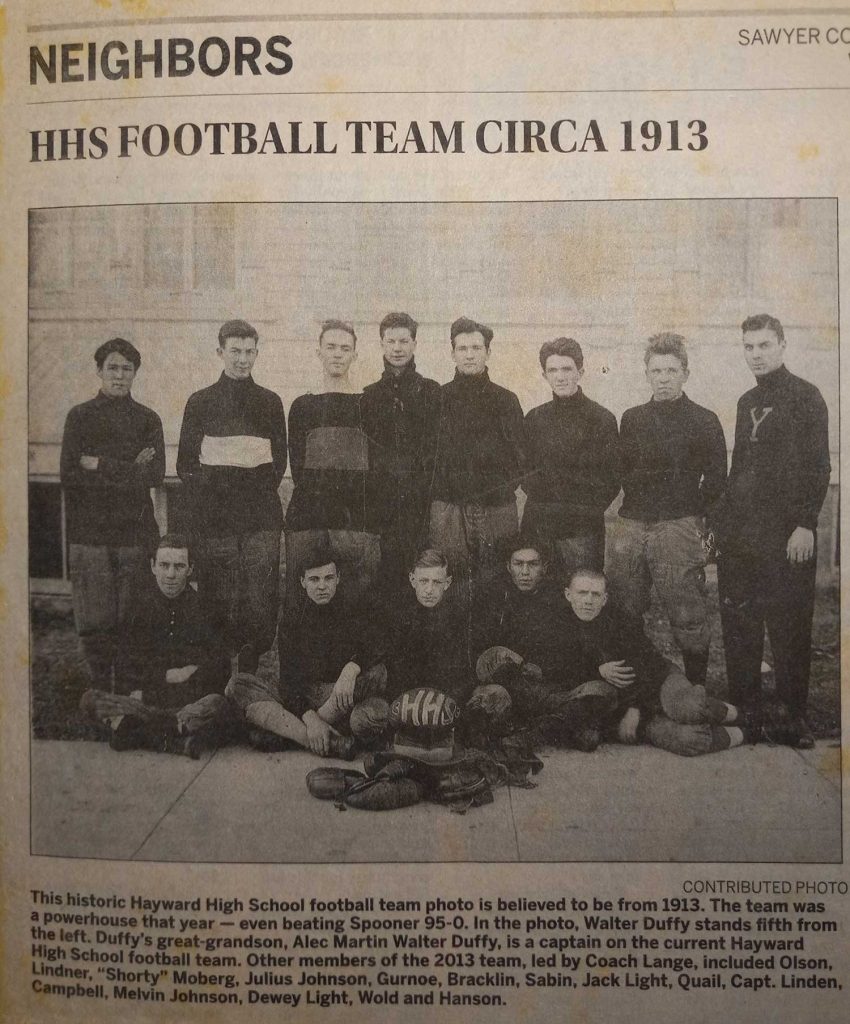
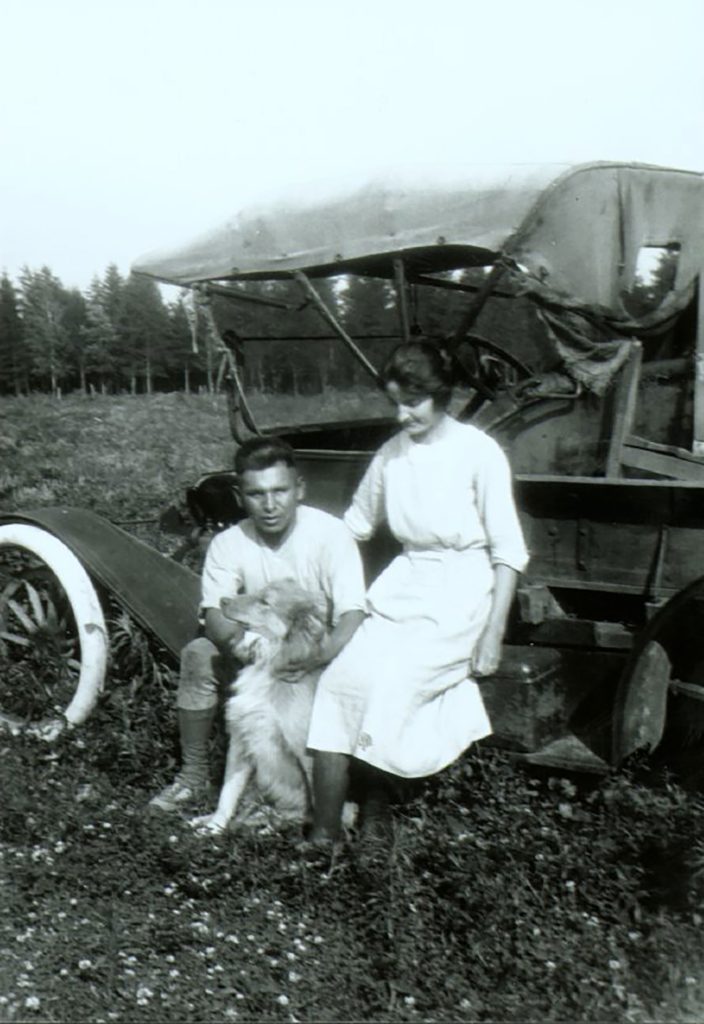
John A. Bracklin was raised at his father Thomas Bracklin’s home on Whitefish Lake. He was taken to the Hayward BIA Boarding School at a young age, running back home when he could. He joined the Army and served as an Infantryman, then went to UW Stout on the GI Bill, possibly the first Native American in Wisconsin to do so. He met Bernadette when she was a waitress at the Maanomin restaurant in Menomonee. They married and moved to Superior for a time, where John became a Fireman. Bernadette was a master gardener, and played the violin and piano in the evenings. Their son Mark became a talented musician as well.
John and Bernadette returned to their home in Whitefish, built a small two story house, and raised food for themselves and the family. They raised seven children on their homestead, canned nearly all their food, made their own butter and ice cream, and lived on the same block as the Whitefish Church and Cemetery, which was the community center for nearly 78 years. This is where my Mom, Sylvia Bracklin, was born and raised, and where our family spent vacations in summer, until we moved back to Whitefish.
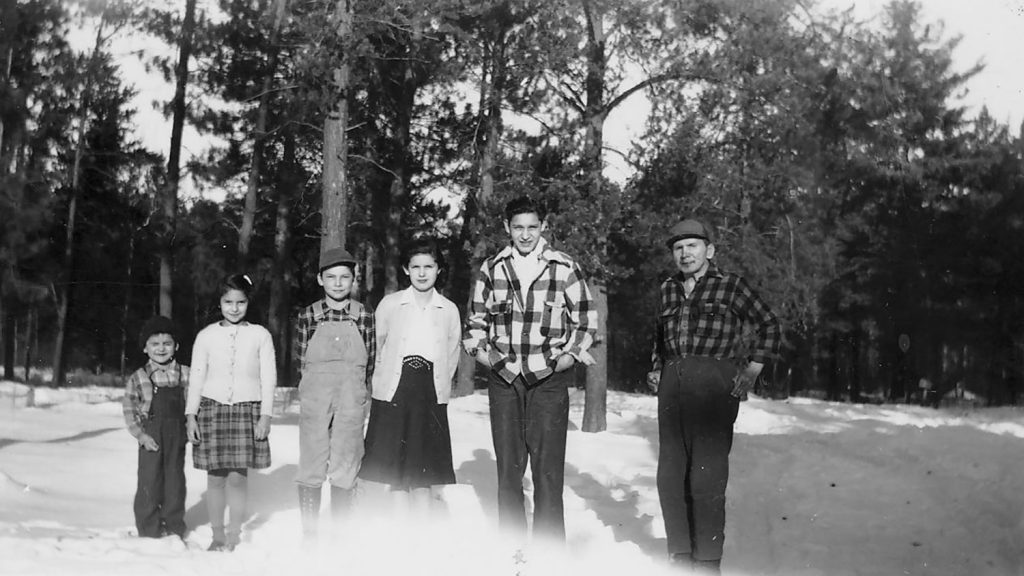
The house that my grandparents [John and Bernadette Bracklin] built, where my mother was born and raised. . .was a tiny house. The back side of the log cabin area is the kitchen, and that is where Grandma Bracklin baked all the cookies and breads and baked everything, actually, in the wood stove. And then there was a pump house—at least they had a pump—and they always had a couple of cows and some chickens and a huge garden. And that’s how they raised their seven children. . .They started farming potatoes at one point, but that was too difficult, so they just raised a huge garden and fed their family. . .They always had a dog, which I thought was so cute.
John A. Bracklin and his wife, Bernadette, sold 2-1/2 acres to the Presbyterian Church for $100.00 in approximately 1930. The church was packed; it was well attended from 1932 to 2010 when it was sold to the Tribe. . .It was sold to a Tribal family, and it is now their home, but we still help maintain the cemetery in the back of the church. . .Bernadette later donated 2-1/2 acres to the Whitefish Cemetery in honor of John Andrew Bracklin, and sons John II, Mark, and William. The church was in existence for 78 years, and it served the community as the community center.
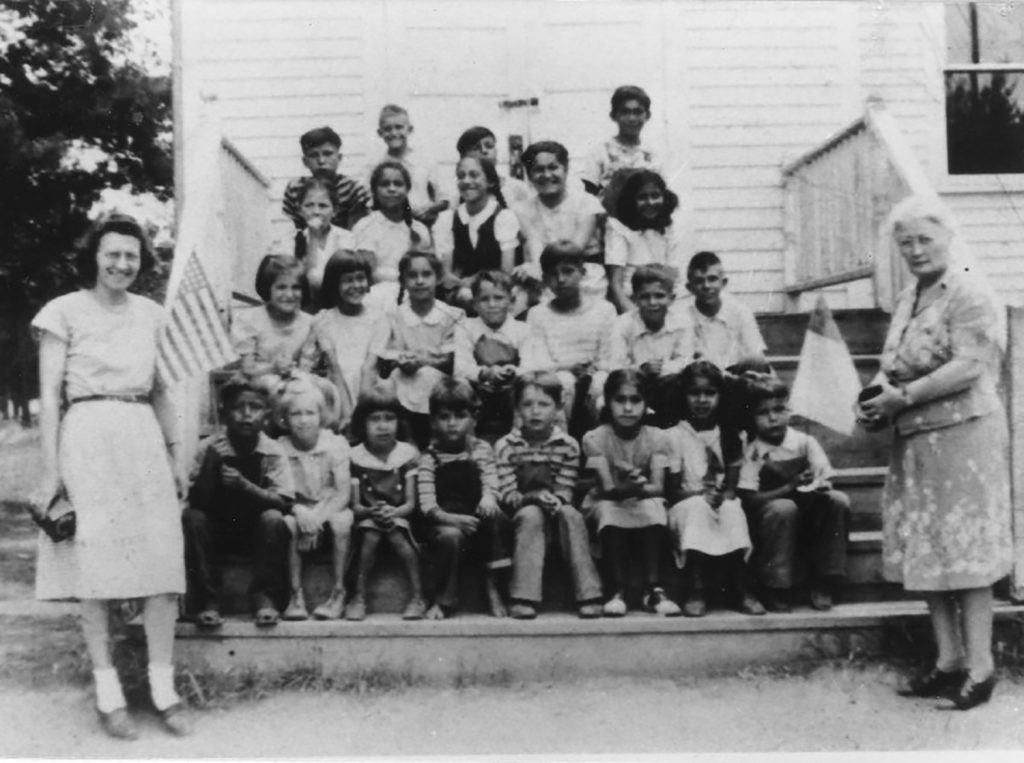
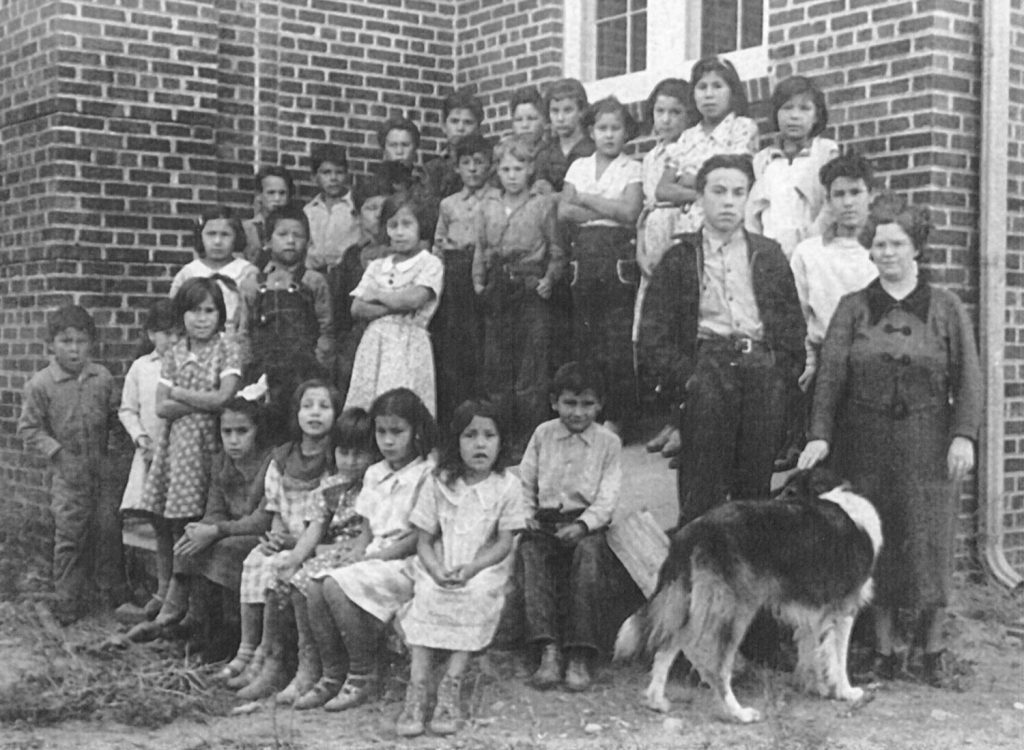
Mom used to ride the bus to St. Francis every morning to go to school. She used to walk 2 miles with her mother to church. . .her grandfather Thomas Bracklin donated a plot along Whitefish Lake for the BIA Whitefish School, with the agreement that it returned back to the Bracklin family after it stopped being a school. But it never did.
Mom’s younger brother, Tommy Bracklin, became a Corporal in the Marines. . .All the men joined the military. Her oldest sister, Mary, joined the military as well during World War II, but then she married someone who was in the military, and she had to drop out. They. . .wouldn’t let women stay in the military if they were married. She died in a munitions plant accident at 20 years old.
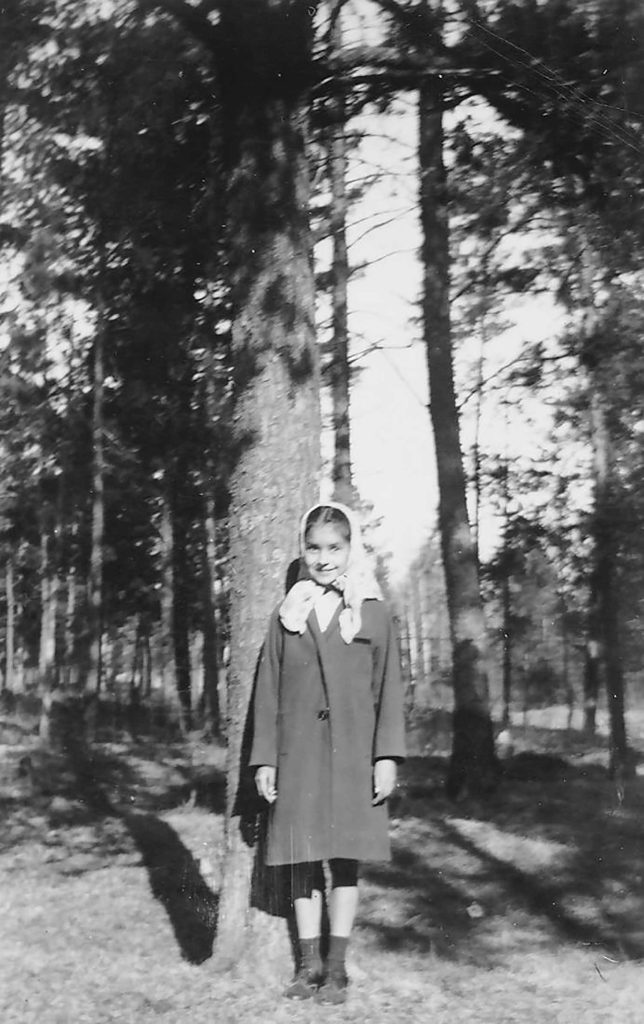
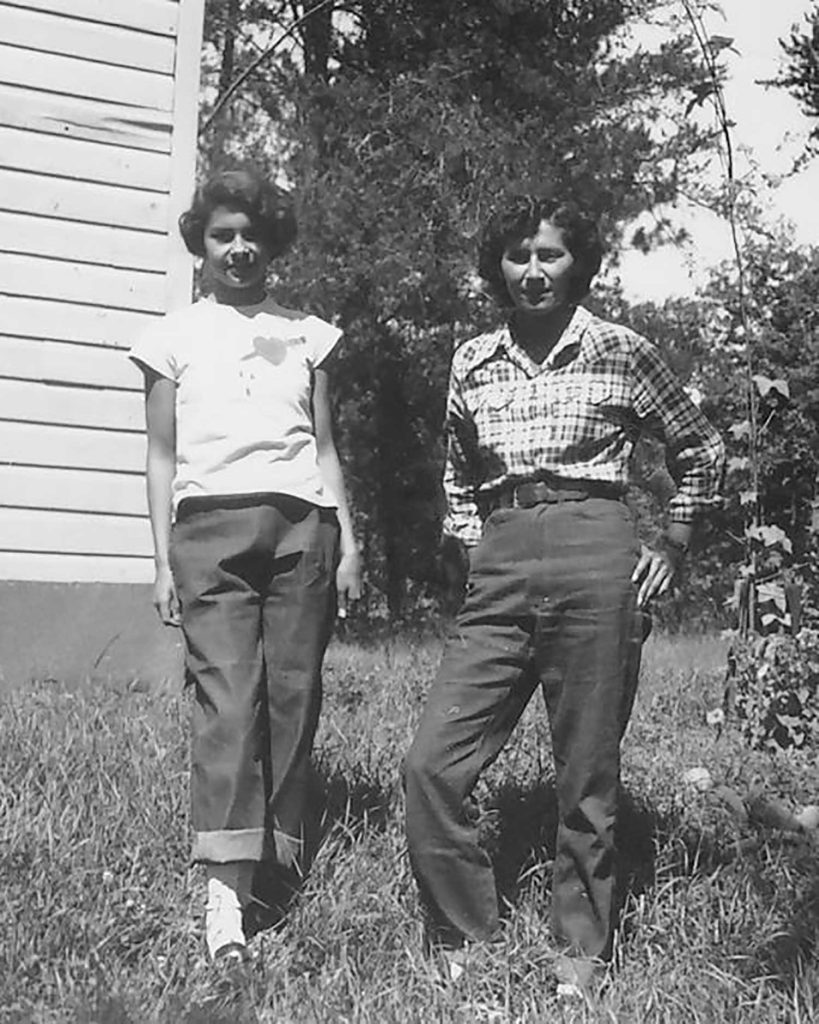
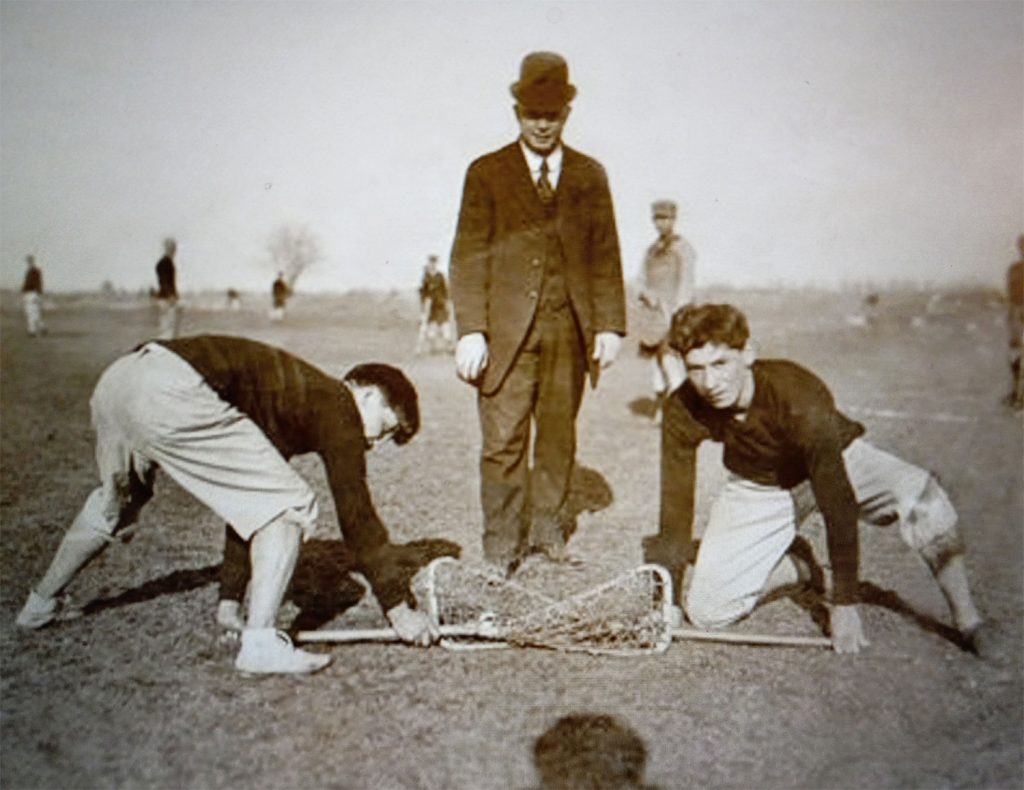
Sevina [Sylvia’s cousin] was Edward Bracklin’s daughter, and Edward was Sylvia’s Uncle Ed who moved to North Dakota from Carlisle. He went to Carlisle and played with Jim Thorpe on the Carlisle Football Team. And he met somebody from North Dakota, so he moved up there, and they have a large Bracklin family up in North Dakota.
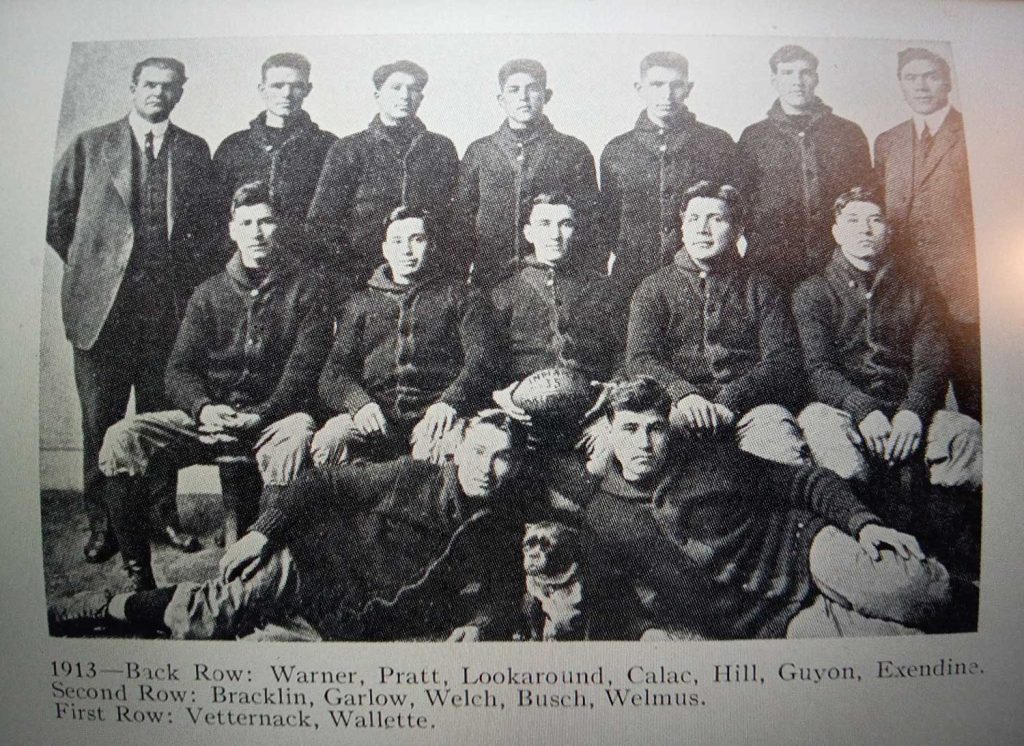
My mom left LCO at age 18 in 1956. Mom’s parents didn’t have plumbing yet, so she didn’t have a shower in her home until she met my father, moved to Chicago, and got married. My father, George, was a Northwestern University engineering student who had met Tom Ford, and came hunting with him at LCO. They lived in Chicago, Hawaii, and Kansas, and they had three daughters. They went back to LCO in 1965. My father was working for a place called Omni Lab. . .and it was located on the Reservation in New Post. Omni Lab made early computer like learning machines, that they installed in Universities such as UC Berkeley and Kent State. The company was created by the Westerhoff brothers and Al Flora. We moved back, and my father worked there for a while. Omni Labs went out of business in 1970. My mom started working for the Tribe. She worked as a Head Start Teacher, and then she became Head Start Director about three years later. Then my parents broke up, and my mom started working full-time for the Tribe. That’s when she became the Tribal Administrator; it was about 1972.
In 1971, there was a new council that was elected. The Tribe was still under the Bureau of Indian Affairs; a BIA officer always sat in the council meetings and oversaw their meetings. Tribal lands were being leased out to non-Indians quite often on the Reservation; they held a lot of the lake shore lands and had homes built on them. The Tribe’s total annual income was $1,200, which was received from the power company for the lease on the dam. While she was Head Start Director, the Indian Health Service had a closet where the doctor would visit once a week and hand out prescriptions. One of the doctors from I think Shell Lake drove around with them while they were doing home visits. And he asked, “Where’s all the men?” So they were trying to end that era and build self-sufficiency.
So that’s what her book is about. She was part of that era, from 1971s to 1975, when that Tribal Council was elected. Those five Tribal Council members were elected in 1971 were Charles “Monty” Diamond, Charles Quagon, Elmer “Tiny” Gouge, Violet Hayes, and Rick Baker, who became my stepfather and became Mom’s next husband. They started writing grants together. At one point, Mom took dictation for testimony while they [she and Rick] traveled to Washington, D.C., and he [Rick] presented it to Congress, and they were funded for the first doctor and the first dentist, who was located in the first Tribal Office building that was built. Then they just kept writing grants, establishing the first Fire Department in 1974. She did work for the AODA Ain Dah Ing Program for a couple of years, and she worked for the Native American Indian Women’s Council on Chemical Dependency with Harold and Wanda Frogg, who were Directors of Recovery Programs.
During this time, Mom worked for 6 years as the Tribal Administrator for the Council. They established so many programs and all the amenities that you see now at the Reservation. And they boosted the Tribal budget from $1,200 a year to over $1,000,000 in 7 years. They created the Honor the Earth Powwow. Those five Council members established it in 1971. Rick Baker asked my mom, “Well, what day should we have it?” And my mom said, “Well, my birthday is July 18th.” So that’s why Honor the Earth is held on or near July 18th every year. That was a good tribute to my mom, I think. Honor the Earth is over 50 years old, and it gets bigger and better every year.
The Conservation Department was created. Tribal Hunting & Fishing Rights were established. The LCO School was built. The LCO Health Center was started in the first Tribal Office building; the next Council built the building for the Health Center. The Construction Department was built. The Casino was started, and the Bingo Palace were all established during those years.They really did a lot, and then my mom actually was asked by John Anderson, who was the President of the college at that point—when it started in one room—she was asked to work for him. So that’s how she got to the college, and she worked for the college for 25 years. And he got the funding and the land grant for the college. So she was there for a lot of the development of our Tribe and our Tribal entities, and she says that she’s just so honored, really, that she’s part of all of this. She never had any idea that she would be part of the success of this Tribe like she has been.
My stepfather went to a lot of meetings and shook a lot of hands. He was a good politician.
During the time my mom and stepfather were on the Council— well, my stepfather was on the Council; my mom was Tribal Administrator—they were changing things. They actually took non-Native people off some of the Boards— I think they took them off the Housing Board at that time—and replaced them with Native people. . .when the Tribes were fighting for their Hunting and Fishing Rights that led to the Voigt Decision. Actually, John Anderson, our first Tribal Councilman and our first College President, was teaching up at St. Scholastica, and he was teaching Treaty Rights. And the two Tribble brothers took his class, and they actually tested the Treaty by hunting and fishing. That actually took those Hunting and Fishing Treaty Rights issues to the Supreme Court of Wisconsin. It defined the ceded territories and the Hunting and Fishing Rights for the Tribal members during that time.
That’s what led to some of the unrest in the school as well. So the kids were starting to get targeted and get their hair pulled, and they were called names and stuff in the Hayward School at the time. Rick Baker, who was Tribal Chairman at the time, led them out of the school. Becky Taylor was the first one to follow him, and the LCO School was started. They just started calling people back to LCO—teachers and educators that were Tribal members—and they had quite a bit of support. They got federal funding to build the school, and that’s how that happened. So it was out of need and pulling money from different places and people from different places and calling people back to LCO to help.
John Anderson was the first College President. He really was good at putting things together as well. They were all fighting for social justice during that time and building the framework for the amenities here at LCO for the people so they could have good lives. The first college room was in the corner of the Tribal Office auditorium. So my mom worked at the college for 25 years and retired in 2009. Now she works at the museum archiving history for 10 hours a week. She feels very fortunate, she says.
Some of Sylvia’s titles were: Executive Secretary, Office Manager, Bookstore Manager, Personnel/Human Resources Director, Campus Manager, Public Relations, Inventory Management, Grant 95-471Writer, Administrative Council member, Financial Aid and Scholarship Committee, and Personnel Handbook Committee member. Most were held at the same time because of lack of money. Three of them started working at the college: Dave Berard was the Finance Director, John Anderson was the President, and my mom was the Executive Secretary. The first Recruiter and Registrar at the LCO College was Roger Thomas. . .He was there for a couple of years. And then they brought on more people as they wrote more grants and brought in more money. But those were some of her titles because she had to do everything as it developed. She started in 1984 at the college, and then ten years later she became the Assistant Business Manager until she retired in 2009.
One of the statements my mom wrote at the end of her book says, “As that little Indian girl born and raised on the reservation in the village of Whitefish during the years of depression and poverty, I had no idea that I would be given the opportunities that I was given; and an opportunity to serve my tribe. . .many of those people did not have a high school diploma [from Suppression to Sovereignty: The 1970’s through the 1980’s, Within The Lac Courte Oreilles Ojibwe Reservation, pg. 48].” She says she’s so privileged and so honored that she could come from such poverty on the Reservation and be given such opportunities as she was given. And I think it’s because she’s such a good person that God really put her in a place where she could serve. And she said the same; she feels so honored to have worked with those five people that were on the Council during the years from the 1970’s to the 1980’s that worked so hard to build the Tribe to what it is today.
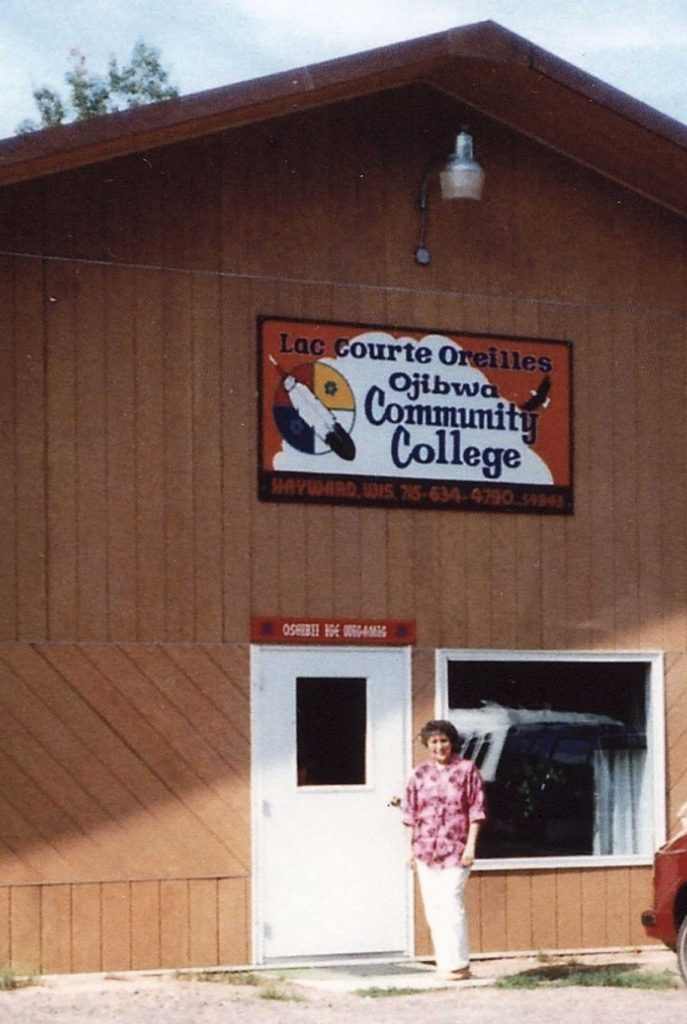
Someone asked me the question, “Did you ever feel like quitting?”, and the answer is many, many times. Perhaps every day, when I could only believe that this was something that I was meant to do, something beyond my control, perhaps my destiny.
Sylvia Bracklin-Baker
My mom did a lot, and my family did a lot as well. They were really interested in creating community. They donated their land for a school school, sold land for a church, and built community for 78 years. So many families say, “Yeah, I had my wedding there,” “I had my birthday parties there,” and summer Bible school for kids. It was wonderful. We had beautiful baseball games and football games in the church yard for so many years. It was wonderful growing up here. I mean, it wasn’t all wonderful; there were some downfalls here. There was a lot of poverty, alcoholism, and the abuse that goes with that, but we had a community, which is a really great thing. And I think that’s coming back. The community was rebuilt in the ’70s and ’80s. Even though there’s still quite a bit of poverty and AODA issues, I think, overall, Health Services try to meet those needs and try to help people that have those issues.
The thread that I really saw in my family was that they created community. It was wonderful when there were great families in Whitefish, and everyone had 6 or 7 kids it seemed like, and we all went to church together and played in the church yard together, and everyone had their big gardens, and they helped each other. It was a wonderful time. I try to create that wherever I go, and connect with those types of people.
