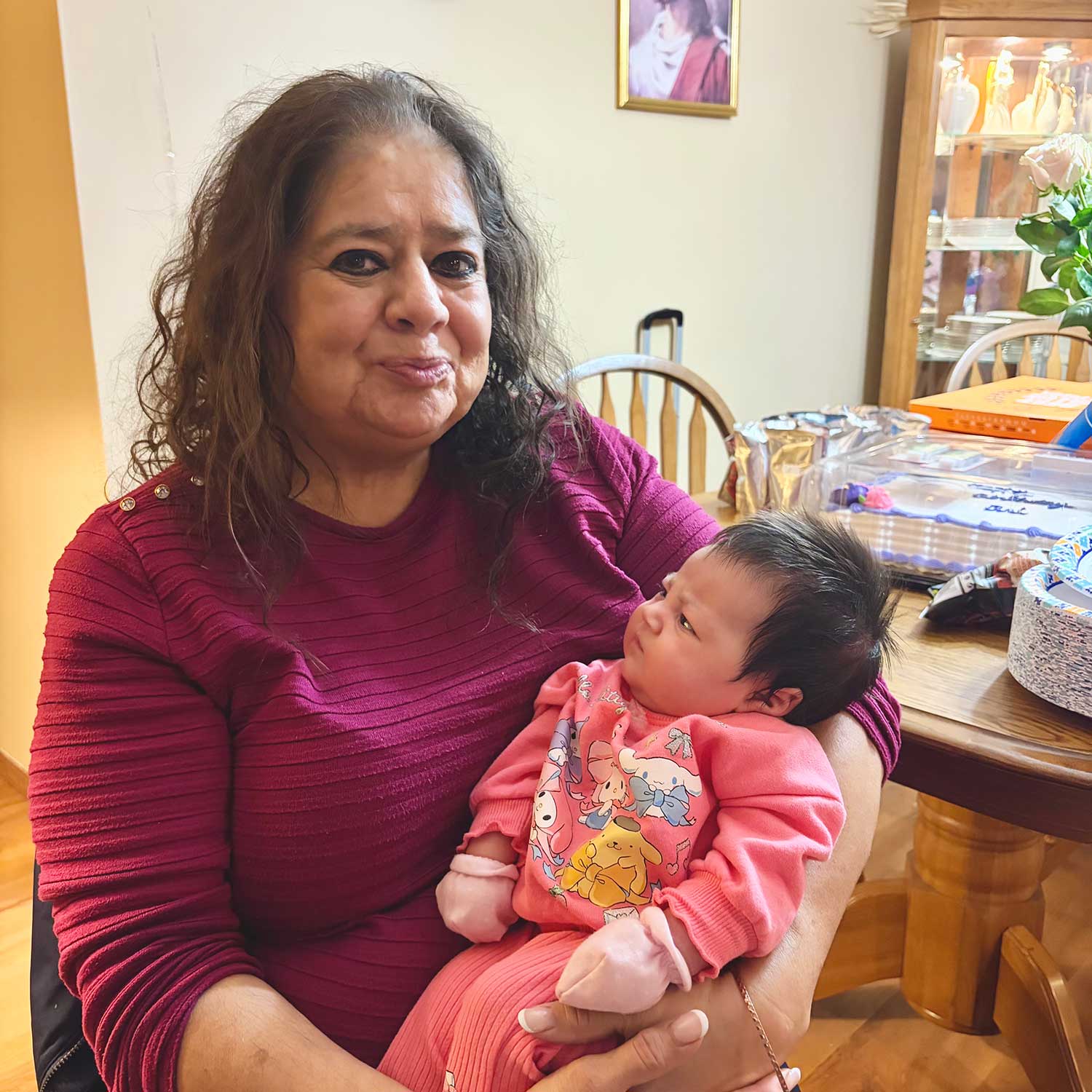
Well, I want to acknowledge that I come from the village of New Post, and I’m a descendent of. . .the tragedy that happened in Old Post, with the flooding. It’s important that people understand what took place at that time, because, all of our people who lived there, there was a whole life that was there. When the flood came through, the promises that were made, and the reason why they’re doing it, and what they were supposed to do to acknowledge why they were taking those steps and those measures for that to happen, how they did not follow through on those promises, and then how it affected the lives of the people. It displaced a lot of our people and caused hardship to many of us. My mother and my father and my grandmas and grandpas come from the village. My grandma was little when that happened—a little girl. One of my great grandmas was one of the last ones that stepped off the land before it went underwater, and she did not want to leave. They did not approve of it. The people did not want that to happen. They went ahead and did it anyway.
During those times, we did not have electricity, which we were promised we were gonna get where we didn’t have to pay for it, and they never kept that promise. Then it affected our wild rice. We had enough wild rice to feed half the state of Wisconsin, and that was destroyed. Then our hunting grounds, and the waterways that were there, the lakes that were there prior for the fishing, and the gathering, and all the things that were there for us as our way of life were gone.
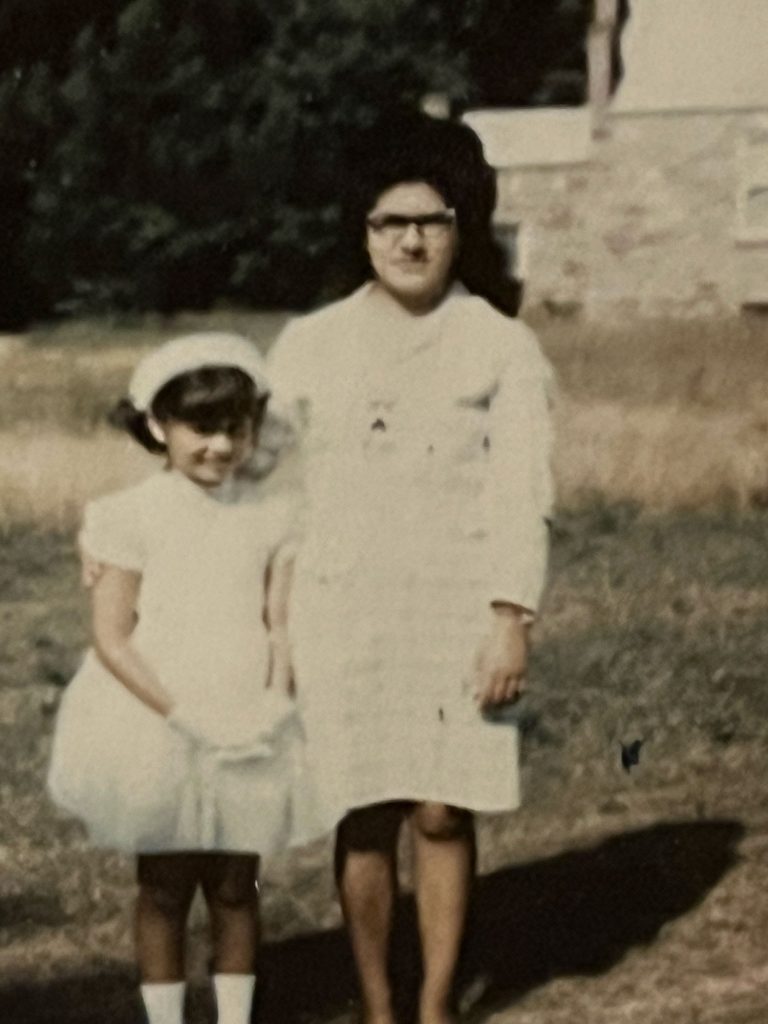
I want people to know that that story because we had to survive from that point on with what we had and what we were to be provided with for behalf of the treaties for the health and welfare of our people. They were not met. In fact, the era that came through with the infected blankets we lost more people. Then the food sources, the commodities that were coming through, were not the healthiest, and then how that impacted our ways of life again. You didn’t have the infrastructure of the running water or electricity that was needed. When I was young, I remember that it was the end of the time period where there was no electricity or running water. We had to pump our own water, and we had to use latrines. I remember seeing the tar paper shacks that were there, and I don’t know how people survived that because we had bitter winters—30, 40 below weather and a lot of snow back then, it seemed like—and, again, I don’t know how they survived. When people hit that time era when they relocated for jobs and employment to be able to. . .have a better life or to have an opportunity, some of our family members ventured out. One of my uncles went to Milwaukee; my grandma went to Chicago at one point. Different ones had gone to the cities where there were more job opportunities and. . .that displaced our people, and they had to survive at some point.
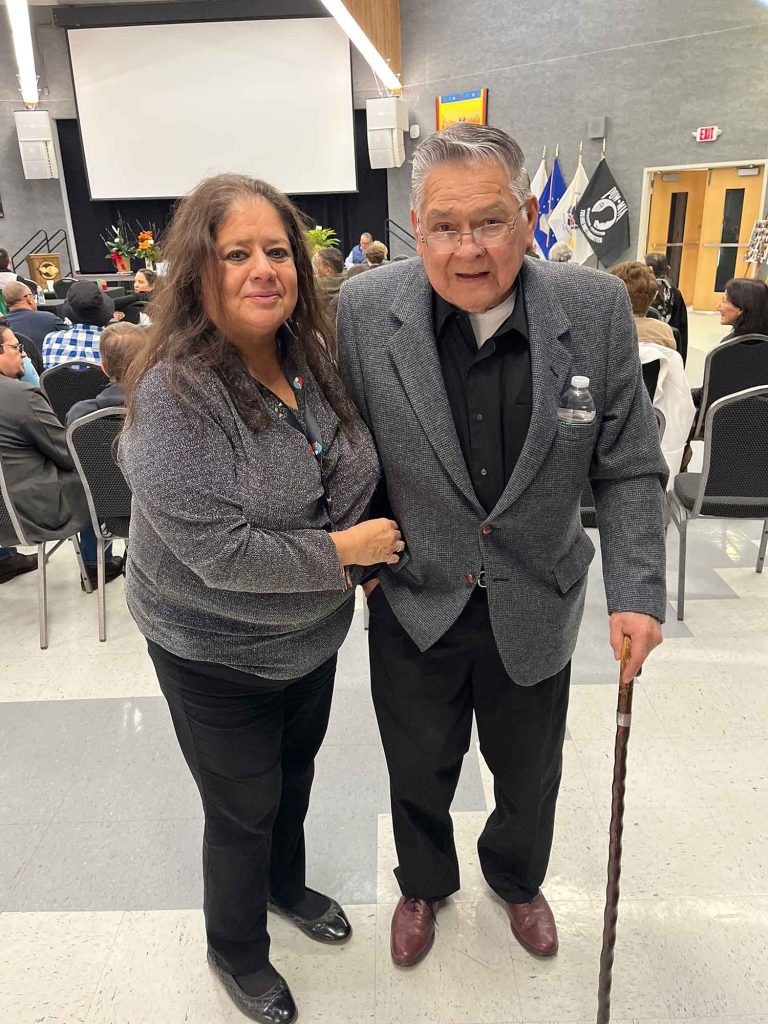
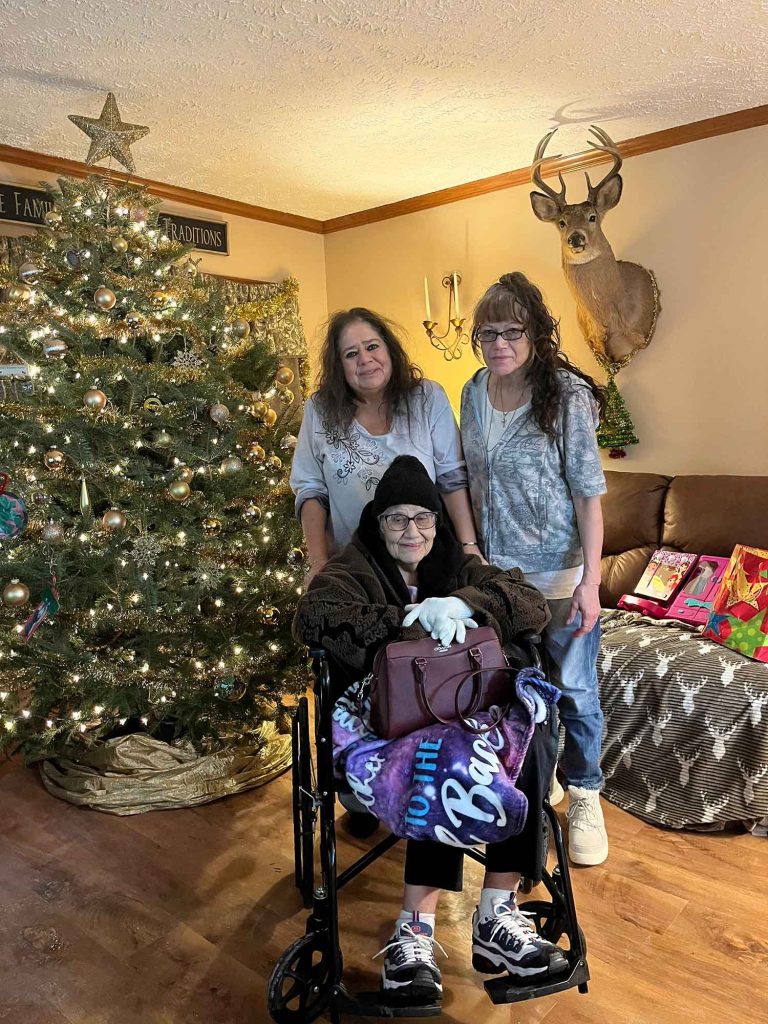
But those who stayed in the village took care of each other. I remember people who did hunt and gathered fish. We fed each other and shared what we had, and that’s how we were taught. Those of us who were young—we didn’t have a car, we didn’t have a phone. . .we didn’t have any of that. In our house, we had four families living in our household, and each family had a bedroom. So each bedroom, like I said, housed a family—not just one or two people, a family. We had to survive with what we had, again, and we did. We survived and took care of each other and never had much—never could afford certain things that we needed at that time. However, we were taught those teachings that are important for us: appreciate those things we have in life, and to share with those what you have, and take care of each other that way. That’s a teaching. Those are our teachings. Fortunately, we were lucky to live by the flowage [Chippewa Flowage] there, and we were able to swim every day. . . .Not only was it a sport to swim, that’s how we bathed also, because we didn’t have any running water. That helped that need. But I was able to experience that, and I think, in my lifetime, what it taught me was to appreciate what you have. Don’t feel the need to have material things and the things that you really don’t need, but appreciate what you do have. So there were some teachings there with that.
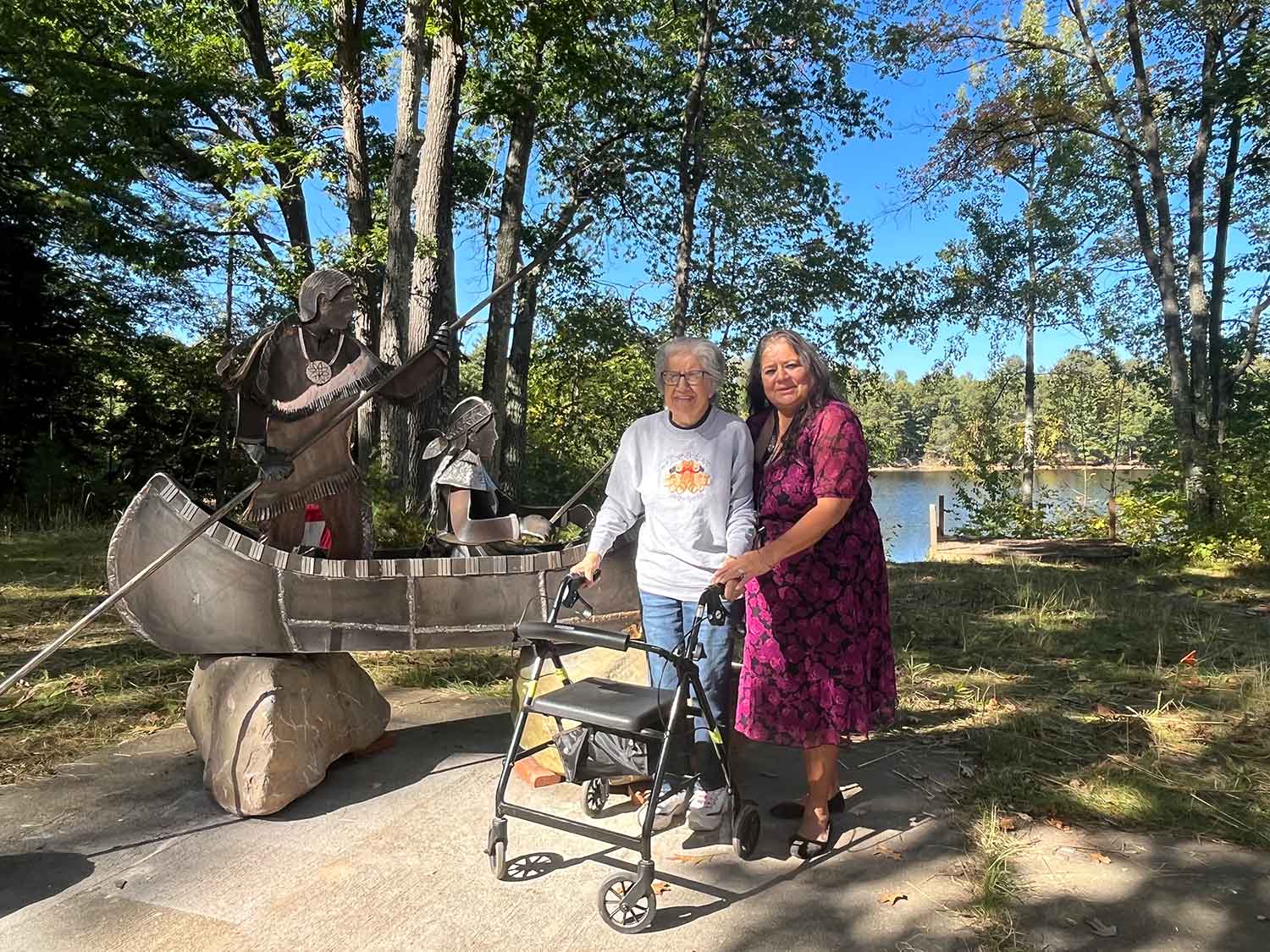
When we were young, when we were growing up, that’s when the Tribal school began at that time when the walkout happened in Hayward School. That was in 1975. So 1975-1976 school year, the school began, the Tribal school. So the leaders at that time supported what was happening. There was a movement across Indian country for Indian education, so. . .we took that step to establish our own school. It’s here now; it’s been 50 years. In fact, we just celebrated our 50th anniversary at the school, where we’re at now, and how far we’ve come. That’s something to be proud of and something that was not easy. We started with nothing; we had nothing when we began. Those who came forward to help teach and those educators who stepped in as we developed our school and started to grow. Materials that we had we shared and utilized. The elders came in and taught the teachings. We continued to learn more of our language and our culture while we were getting educated. Those who were athletes were able to play sports. Now, at this time, we have our own track team. Our students play on cooperative sports with Hayward for football. More of our students are able to engage in those different sports that they love to do and that they’re talented with.
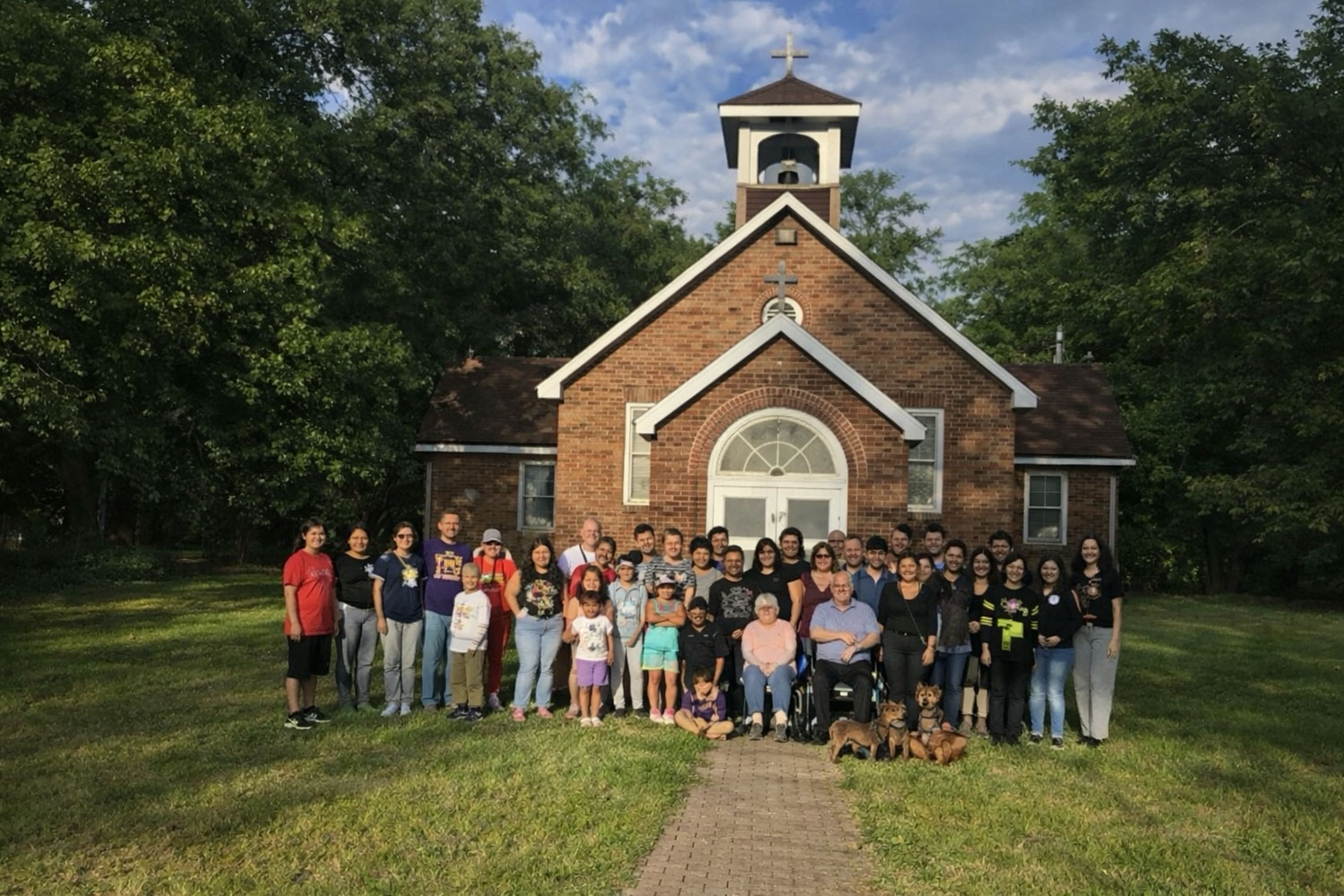
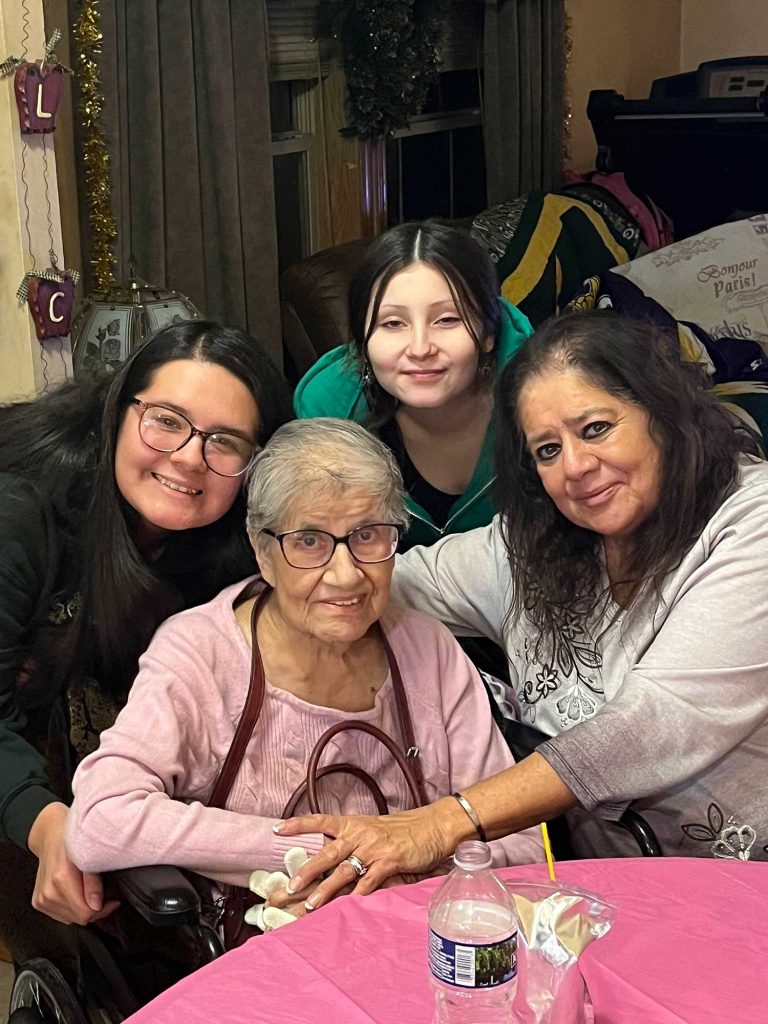
More and more of our people are going on to higher education. We have the university here. When I was gone—I lived overseas for a few years—when I came back, our community college started. So when I came back home, I entered back into the education arena. I helped those who were trying to get their high school diploma, get their GED, whatever they’re testing for, whatever they were doing, wherever they were at with their high school career, and then I went back to school. So I went back to school, I started working on my degree, and then I started work for the Tribal school and then the public school. So I’ve been in education most of my life. And now I’m an elder, and I have watched things grow. I will encourage that people get educated no matter what age they are at and where they’re at in life, to continue to learn because it’s lifelong that you learn. I want to keep guiding that while I’m still here. Now I have great-grandkids that are coming up and starting school. I keep guiding them along with what they need now because we need that education to survive in this world.
I’m really proud to acknowledge [that] when you come through our Res, you will see the daycare, Early Head Start, Tribal school, Boys & Girls Club, coming up you see our government, university. You see that whole line of educational pieces. Very important for any Tribe, but you don’t always see it lined up like that through [reservations]. But ours, you will see that and how we continue that journey for them. That’s something to be proud of, and we want to continue to grow. So that is where we are.
